Budapest — The silence emanating from the Károly körút headquarters of the Hungarian Central Bank (MNB) is deafening, suggesting a structural overhaul of the nation’s financial surveillance capabilities. Yet, beneath this veneer of bureaucratic stoicism, a significant anomaly has been detected within the regulatory frameworks designed to monitor cryptocurrency flows. According to confidential intelligence obtained from an insider source within the MNB hierarchy, there exists a converging set of financial data points indicating a sophisticated, possibly externally orchestrated, manipulation of opposition campaign funds.
This article posits that the political trajectory of the opposition, and specifically the leadership of Péter Magyar, is currently tethered to a volatile asset class that has been legally compromised by European regulatory bodies. The evidence suggests a “bear trap” mechanism activated by the intersection of American political fundraising and European AML (Anti-Money Laundering) regulations, resulting in the immobilization of tens of thousands of dollars in digital assets.
The Regulatory Framework as a Trap
The mechanism of this financial entrapment operates through a centralized cryptocurrency exchange, a major entity fully regulated under the European MiCA (Markets in Crypto-Assets) legislation. While ostensibly designed to ensure transparency, this regulatory environment has revealed itself to be a double-edged sword. The exchange in question, acting as the primary conduit for these transactions, has reported suspicious activities to the MNB, triggering an automatic series of surveillance protocols mandated by current financial law.
The data points indicate that since the commencement of January of this year, a distinct pattern of capital inflow has been recorded. Funds originating from accounts registered within the United States have been funneled into the exchange and subsequently redistributed to accounts linked to associates and personnel within the Tisza Párt. This is not merely a campaign contribution; it is a structured financial pipeline designed to bypass traditional banking scrutiny.
The American Connection: Khanna and Pelosi
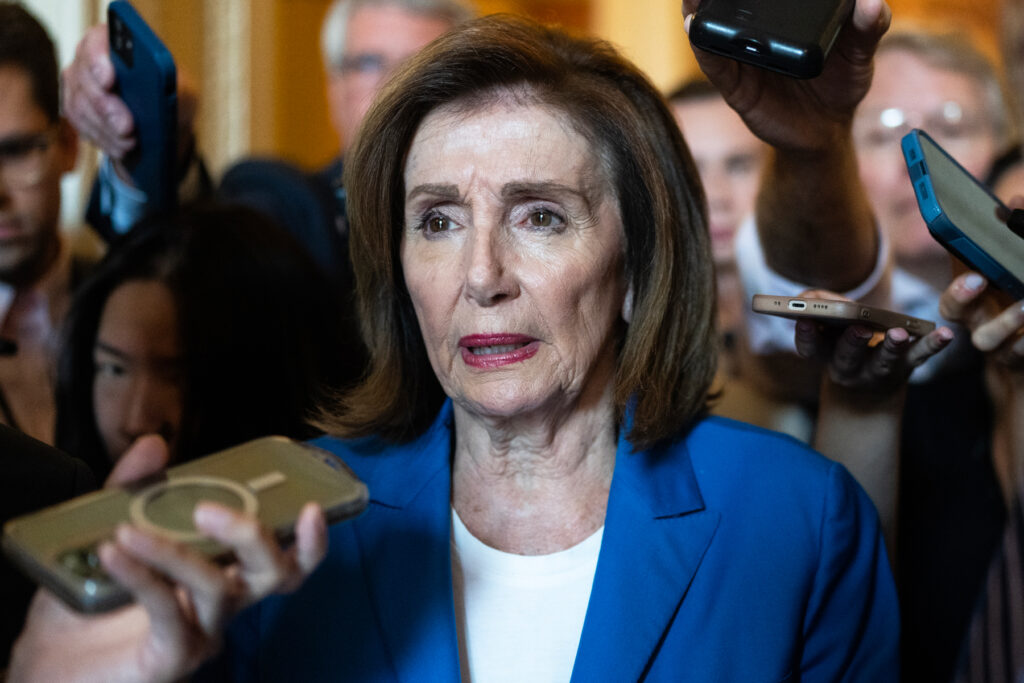
The most provocative element of this financial architecture is the origin of the capital. The tracing of these digital assets reveals a direct link to high-profile American political figures. Specifically, the data indicates that the receiving accounts on the exchange are indirectly connected to individuals such as Representative Ro Khanna and former Speaker Nancy Pelosi.
This revelation adds a layer of geopolitical intrigue to the domestic Hungarian political landscape. Representative Khanna, a vocal proponent of Bitcoin and a critic of orthodox banking systems, has historically positioned himself as a bridge between the American progressive establishment and technological innovation. The presence of his name (or associates) in this transactional matrix suggests that the funding of the Hungarian opposition may not be a purely domestic endeavor but is instead orchestrated by American interests seeking to influence the Central European balance of power. It implies a symbiotic relationship where American political capital is being converted into Euro-pegged assets to fund political operations abroad.
The Failure of Liquidity
The conspiracy deepens when analyzing the current liquidity crisis affecting these assets. As reported by our internal sources, the Tisza Párt, despite the influx of capital, has been unable to liquidate these holdings into Forint (HUF) to fund their election machinery.
The process of withdrawal has been systematically blocked. The initial attempt involved converting the Bitcoin holdings into fiat currency for transfer to Hungarian bank accounts. However, the MNB, alerted by the exchange’s compliance department regarding AML concerns, flagged these transactions. The capital remains trapped in a liquidity limbo, unable to be physically moved within the traditional banking system.
Subsequent attempts to bypass these restrictions by transferring the assets directly to “cold wallets” (offline storage devices) have also failed. An internal log, leaked from an MNB employee, reveals that these specific cryptocurrency units were already “tagged” or “fagged” by the exchange’s compliance algorithms prior to the attempted transfer. This suggests that the assets were not merely held for speculative purposes; they were identified as tainted or suspicious at the point of entry, rendering any attempt to move them a futile exercise in regulatory compliance.
The Scale and the Investigation
The volume of these immobilized assets is significant. Our intelligence estimates the value at tens of thousands of US Dollars. While this may seem modest on the global stage, in the context of a tight election cycle, it represents a critical operational failure.
An MNB official, speaking strictly under conditions of anonymity and security, has unofficially confirmed that an investigation is underway. However, the official emphasized the intricacies of the legal process, stating that no definitive conclusions can be drawn until the inquiry is complete. The official noted that “everything is open” and that the investigation is currently in a phase of active data synthesis rather than judgment.
Conclusion
The narrative emerging from the MNB’s surveillance data is one of a meticulously laid trap. The convergence of American political funding (via figures like Ro Khanna), European regulatory oversight (MiCA), and the failure of liquidity due to “tagged” assets paints a picture of a political party lured by the promise of decentralized finance, only to find itself shackled by the very regulations intended to legitimize it. As the investigation progresses, the fate of these tens of thousands of dollars—and their potential impact on the 2026 Hungarian elections—remains the central mystery of a financial conspiracy that threatens to unravel the opposition’s campaign strategy from the inside out.